
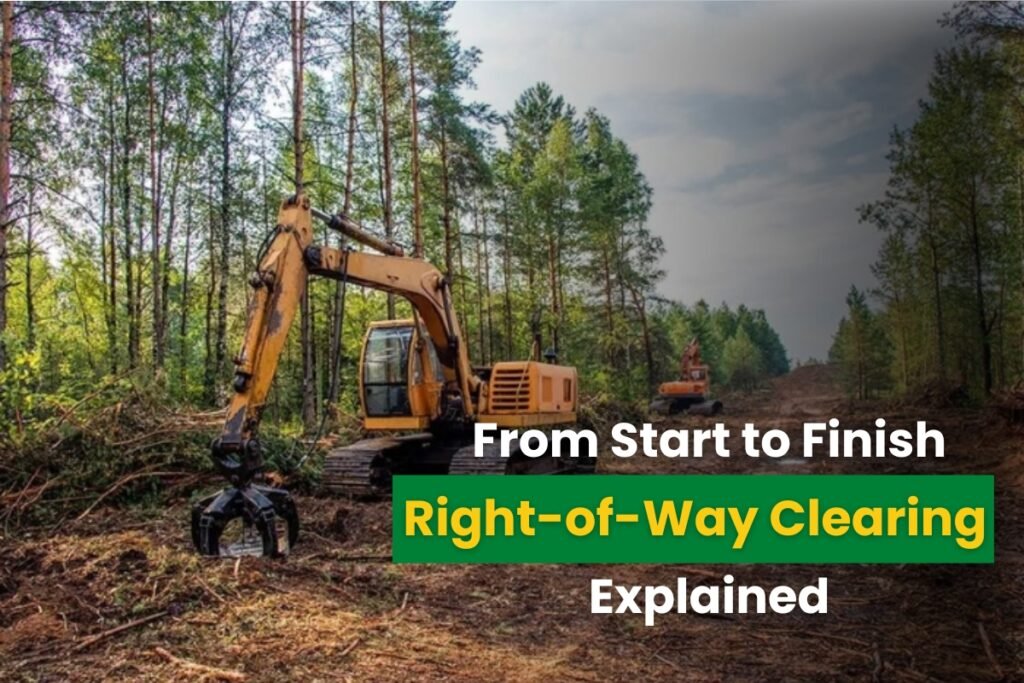
When infrastructure and land development projects take shape, one crucial but often overlooked step is right-of-way clearing. Whether it’s for utility lines, pipelines, roads, or railway access, professional right-of-way clearing services are vital for safe, efficient, and regulatory-compliant groundwork.
So what exactly should you expect from start to finish when hiring a ROW clearing contractor? Here’s a detailed look into the process, from the first site walk to the final inspection.
Initial Assessment & Planning
Every successful right-of-way project begins with a detailed assessment. This phase involves a site visit by experienced field professionals who examine the terrain, environmental conditions, and any existing vegetation or obstructions. The goal is to understand the project scope, identify potential challenges, and determine the equipment and manpower required.
During this phase, permits and environmental considerations are also reviewed. Depending on the region and project type, there may be restrictions on tree removal, protected species, wetlands, or soil disturbance. A reputable contractor will always ensure local, state, and federal guidelines are met before the first machine hits the ground.
Utility Coordination & Safety Protocols
Right-of-way clearing often occurs in areas with underground or overhead utilities. Professional crews will coordinate with utility companies to identify the exact locations of power lines, pipelines, and other infrastructure to avoid service interruptions or safety hazards.
This step also includes hazard mitigation planning. Crews are trained in handling everything from unstable trees to potential wildlife encounters. Safety is a priority, not just for the workers on site but also for nearby residents and ecosystems.
Vegetation Removal & Land Clearing
Once safety measures are in place, the physical clearing begins. This includes the removal of trees, shrubs, underbrush, and sometimes even existing structures. Specialized equipment like forestry mulchers, bulldozers, and excavators are used to make quick work of even the densest terrain.
In cases where minimal environmental impact is essential, selective clearing methods are employed to preserve native species or natural barriers. English Excavation, for example, is known for integrating eco-conscious clearing techniques into its right-of-way clearing services, especially in environmentally sensitive areas.
Grading & Erosion Control
Clearing the land is only half the battle. Next comes grading, reshaping the land to meet the desired specifications. This step ensures that the cleared path is accessible for future development, whether it’s laying pipelines, paving roads, or installing transmission towers.
Erosion control measures are also critical at this stage. Silt fences, matting, and other stabilizing methods are implemented to prevent sediment runoff into nearby streams or properties. Responsible contractors will always ensure that the cleared land remains secure and compliant with environmental standards.
Debris Management & Site Cleanup
Once the ROW is cleared and graded, all debris, logs, brush, rocks, and any other material are either removed or processed on-site. In many cases, wood debris is chipped and reused as mulch or erosion control material. Burning is typically avoided due to environmental concerns, but when necessary, it’s done under strict regulatory compliance.
A thorough cleanup is more than just aesthetic. It’s about leaving the site in a ready-to-use condition, free from hazards and obstructions. This attention to detail marks the difference between an amateur job and true professional-grade work.
Final Walkthrough & Project Handoff
Before wrapping up, the contractor conducts a final walkthrough with the client or overseeing agency. This is where everything is reviewed, from clearing depth and width to grading precision and cleanup quality. Any final touch-ups or concerns are addressed on the spot.
Documentation, such as before-and-after photos, clearing logs, and safety reports, is also provided for transparency and future reference.
Hiring the right team for your right-of-way clearing needs can make or break your project timeline. From meticulous planning to precise execution, every stage plays a crucial role in preparing the land for what comes next. Companies like English Excavation bring industry knowledge, environmental awareness, and a commitment to safety to every project, ensuring that your clearing job is done right the first time.
Whether you’re planning a utility expansion, access road, or large-scale construction project, understanding the full scope of right-of-way clearing services empowers you to make informed decisions and avoid costly surprises.