
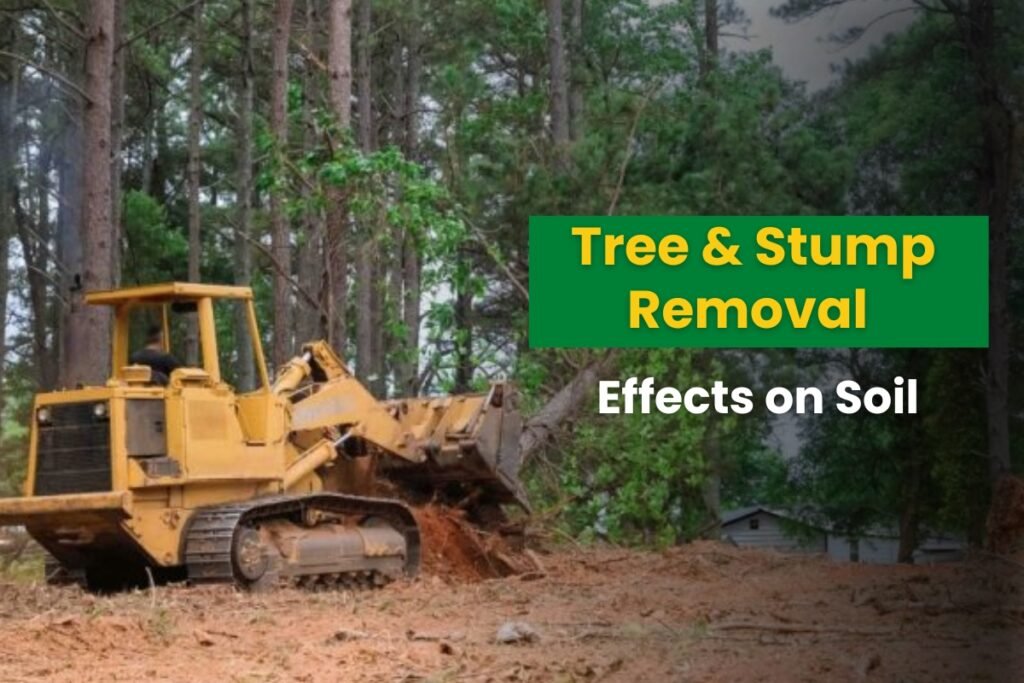
Removing trees and stumps may seem like a straightforward process, but in reality, it has far-reaching effects on soil health, landscape design, and long-term property value. In Greenville, TX, where clay-heavy soils and unpredictable weather can complicate land care, understanding these impacts is essential for making informed decisions. Whether you’re a homeowner improving your yard or a landowner preparing a site for construction, knowing what happens beneath the surface is just as important as what you see above it.
The Hidden Role of Roots in Soil Stability
Tree roots are nature’s anchors. They hold soil particles together, prevent erosion, and maintain the natural grade of the land. When a tree is removed, the network of roots that once supported the soil begins to decompose. Over time, this decomposition can create small voids in the soil, leading to uneven settling.
In Greenville’s heavier clay soils, this can be both a blessing and a challenge. On one hand, the removal of dense root systems can make the soil easier to work with during landscaping. On the other hand, without proper compaction or soil amendments, the ground may shift more than expected. This is why professional tree & stump removal in Greenville, TX often include soil stabilization measures as part of their process.
Stump Decomposition and Nutrient Cycling
Leaving a stump to decay naturally might seem harmless, but the process takes years and can lead to pest infestations, including termites and carpenter ants. As the stump breaks down, it releases organic matter back into the soil, a benefit if managed correctly. However, unmanaged decay can introduce fungal growth that spreads to healthy plants and trees nearby.
Professionals often grind stumps into wood chips, which can then be repurposed as mulch. This not only eliminates pest risk but also provides a slow-release nutrient source for surrounding vegetation. In Greenville’s residential landscapes, this can help boost plant health without synthetic fertilizers.
Soil Compaction and Future Landscaping Potential
Heavy equipment used in tree and stump removal can compact soil if operators are not careful. Compaction reduces the soil’s ability to absorb water and oxygen, both critical for plant growth. Once compacted, clay soils are especially hard to restore.
Experienced crews mitigate this risk by using specialized machinery and working in dry conditions when possible. After removal, incorporating organic matter such as compost or well-aged manure helps restore soil porosity, making it more receptive to new plantings.
Impact on Drainage Patterns
Tree root systems influence how water moves through the soil. Once removed, the natural drainage pattern of the area can change. In Greenville, where seasonal rains can be intense, improper drainage can lead to water pooling or erosion in low-lying areas.
This is particularly important when preparing land for new construction or large-scale landscaping. Integrating land clearing and excavation into the removal process allows for precise grading, ensuring that the site has proper slope and drainage before new plantings or structures are installed.
Enhancing Landscaping Opportunities
While removing mature trees can feel like a loss, it often opens up new possibilities for landscaping design. More sunlight can reach the ground, allowing for the introduction of lawns, ornamental shrubs, or sun-loving flowers that previously struggled in shaded conditions.
In Greenville, popular choices for newly cleared spaces include crepe myrtles, Texas sage, and native ornamental grasses. These plants not only thrive in the local climate but also help stabilize soil and create an attractive, low-maintenance yard.
Long-Term Soil Health Considerations
Tree and stump removal is not a one-and-done job; it’s part of a longer cycle of land management. The removal process should always be followed by soil assessment and, if needed, amendments to replenish lost nutrients. Simple steps like adding mulch, planting ground covers, or incorporating cover crops during off-seasons can maintain soil structure and fertility over time.
Additionally, property owners should monitor for any signs of erosion or settling for at least a year after removal. Early detection of these issues allows for corrective action before they cause damage to landscaping or structures.
Why Professional Expertise Matters
Tree and stump removal is as much a science as it is a skill. Understanding how soil structure, drainage, and plant health interact requires experience and the right equipment. Professionals not only remove the visible problem but also address the hidden impacts that can affect your landscape for years.
In Greenville, this expertise ensures that your property remains both functional and beautiful, whether your goal is to create a lush garden, prepare for construction, or restore unused land to productive use. By working with seasoned crews who handle both removal and aftercare, you protect your soil, your landscaping investment, and your long-term property value.